

The role of single-use rapid tests has increased in recent years, particularly in relation to the SARS-COV2 virus. However, many people are unaware that in addition to these tests, there are other quick tests that are already extremely accurate and can help us in our everyday lives. There are tests available for many diseases, organ disorders and even cancer. As healthcare has become more expensive, they have gained ground because they are much cheaper and can get results faster. Let’s find out about them and their potential!
What types of tests are there and how do they work?
There are several broad groups according to their use, which are presented here. Whichever group you look at, they are extremely simple to use and can give you quick results. It should be mentioned that these tools are not suitable for medical diagnosis, but they can greatly speed up and facilitate identification and, in case of a negative result, the development of treatment by consulting a specialist. These tests are not a substitute for medical care and, even if the test does not show any abnormalities, but symptoms are/are not relieved, a thorough medical examination is recommended.
Blood tests: one of the most common of the home-based rapid tests is the blood sample-based type, which can analyse just a drop of blood. Each test comes with a score indicator that you can read 5-15 minutes after sampling to see where your result is on the scale compared to the normal value. Known blood tests include: iron test, vitamin D test, or the myCARE Cholesterol test.
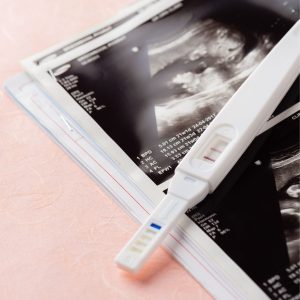
Urine tests: the second most common group, typically used for female infections, hormone problems, kidney problems, urine PH and pregnancy-related information.
Saliva tests: in this category you will find a number of tests to identify COVID-19. Quick and easy sampling, for children and elderly people alike.
Stool tests: quick tests include stool tests that can be used at home to easily and simply identify the problem. For example, the my Care family faecal blood test, which is used to detect blood in faeces, mainly to identify suspected tumours of the colon and rectum.
In addition to these, there are smear-based tests (mainly used to detect female diseases, they can be taken from the vagina), skin tests (the most common skin tests are allergy tests), may tests and drug tests.
CARE Diagnostica’s rapid tests are now available in Austria, with a portfolio that includes blood-saliva and smear tests. As an expert in high quality rapid tests and rapid diagnostic devices, A-Lab Pharma is the manufacturer’s representative in Hungary.